
Between Deterrence and Escalation: The U.S. Marine Deployment to the Gulf
The U.S. is deploying around 2,200 Marines and a strike force toward the Gulf theater. The USS Tripoli and the 31st Marine Expeditionary Unit are based out of Sasebo and Okinawa, Japan, so their arrival could take some time. What is known so far is that this deployment has been requested by CENTCOM.
The deployment of these forces could point to two key scenarios, especially as pressure continues to build around the Strait of Hormuz, with reports that Iran is not allowing ships to leave the area.
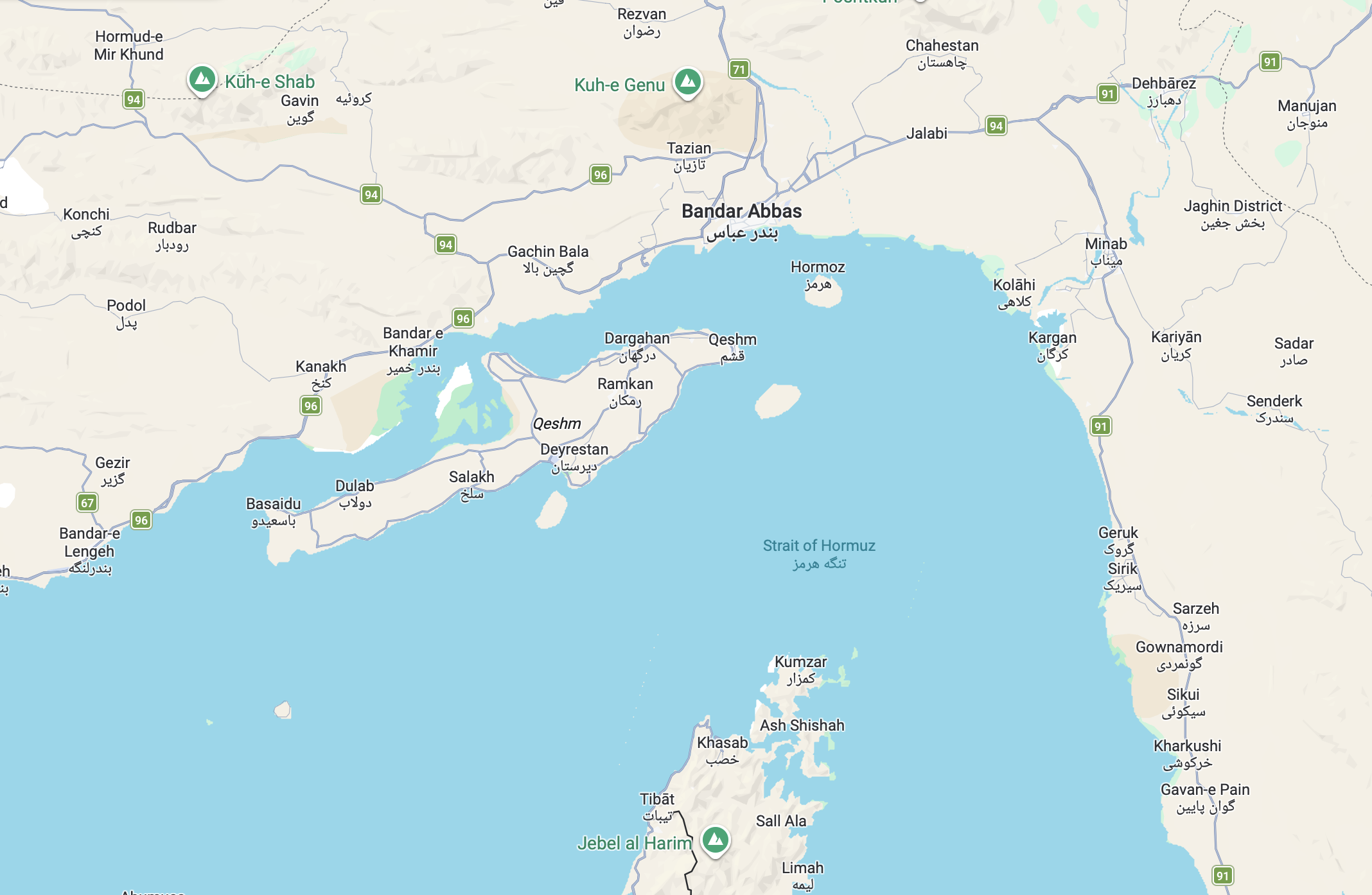
One scenario would involve the Marines being deployed on the islands of Qeshm and Hormuz. This would give the U.S. the necessary deterrence against any attacks that could prevent oil tankers from leaving the Strait of Hormuz. Such a move would immediately relieve pressure on the global market and weaken Iran’s leverage over the global economy. It could also mean that the U.S., Israel, and the Gulf states would be able to continue their campaign against Iran for a longer period of time.
This, however, would not be an easy achievement. The presence of boots on the ground would complicate the situation significantly and could eventually lead to a formal declaration of war. At the same time, U.S. forces would be vulnerable to attacks from Iran, which still maintains a strong military presence and capabilities in the region.
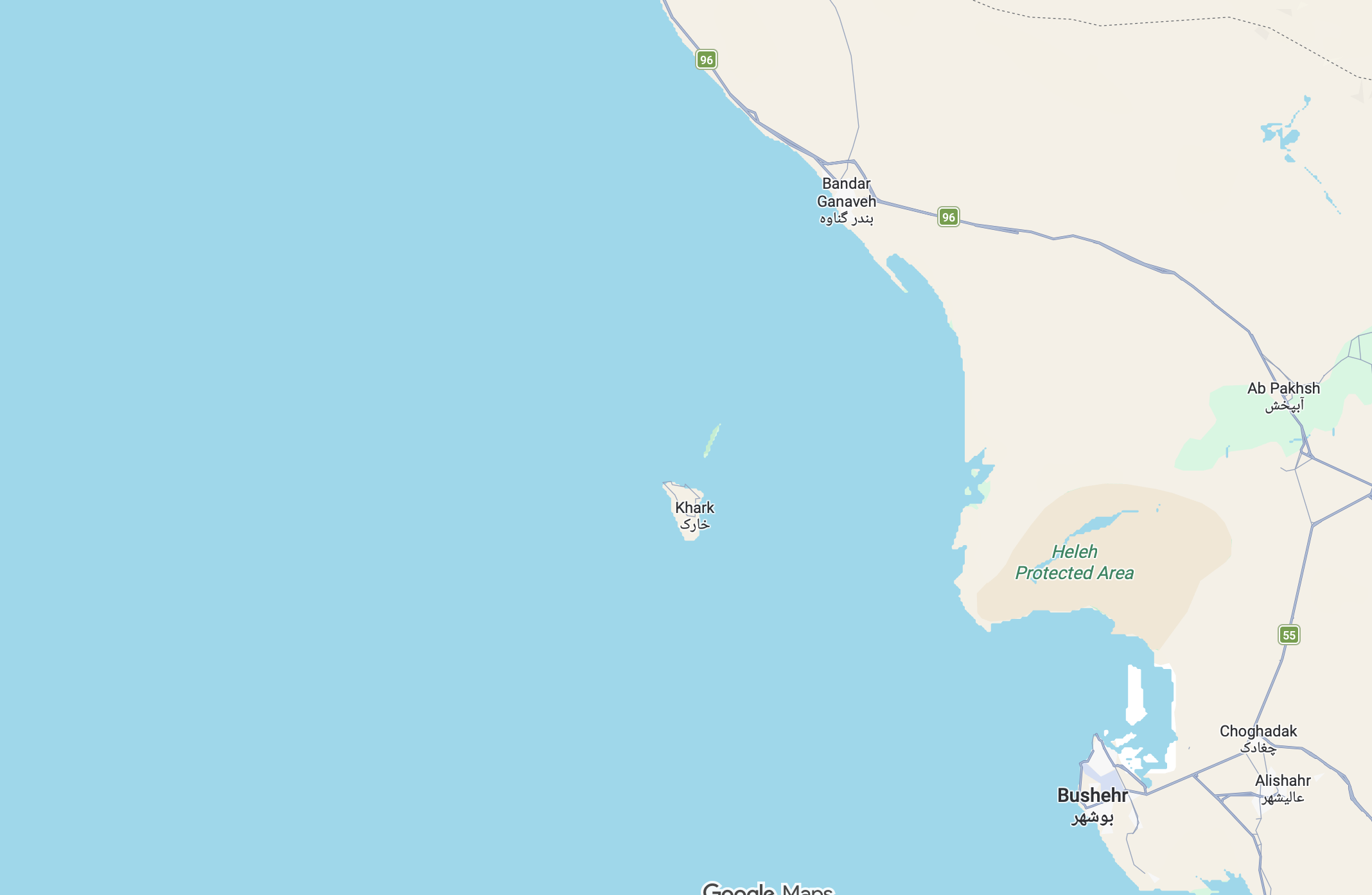
The second scenario, which has reportedly been on the radar of the U.S. for some time, would involve establishing a military base on Kharg Island, a small island between Kuwait and Iran. This is a highly strategic location for the U.S. to hold and could become the basis for establishing a permanent presence in the Gulf. In this scenario, once the position is secured, the U.S. could potentially move toward ending the conflict and claiming victory.
This option is also far from simple. Kharg Island lies very close to the Iranian mainland and could face continuous attacks from the Iranian military. At the same time, the U.S. political system is generally reluctant to hold territory without a formal agreement or settlement, although history shows that such arrangements have occurred when strategic interests required them.
The first scenario appears more likely, particularly as oil prices are reaching record highs with no sign of relief. Even the Gulf countries cannot indefinitely continue pouring resources into their security while economic pressure keeps rising.
Without secure passage through the Strait of Hormuz, LNG exports from Qatar to Europe—meant to replace Russian gas—have already been disrupted, pushing prices higher across European markets. The U.S. has also moved to ease some sanctions on Russia in order to provide relief to the global energy market, a decision that has not been well received by European allies, who still view Russia as their primary adversary. At the same time, China, South Korea, and Japanhave raised concerns about their energy supplies from the Gulf, as they are among the largest buyers and would suffer heavily from a prolonged disruption. China in particular could see its relationship with the U.S. strained further if its energy supply is significantly impacted.
Deploying American troops onto Iranian soil would carry serious political risks. Domestic politics in Washington may not support placing U.S. service members directly on Iranian territory, as such a move could disrupt the balance of power within the American political system. However, the White House may feel it has limited alternatives at this stage.
Israeli boots on the ground in Iran remain largely taboo, as such a move could escalate the conflict into a wider religious war and inflame tensions across the region.
At the same time, there is no immediate option for marching toward Tehran. The terrain and environment are extremely difficult for foreign troops attempting to hold ground deep inside Iran. For now, the most realistic explanation for the deployment of these Marines is tied to the current crisis around the Strait of Hormuz, and the urgent need to secure one of the world’s most critical energy corridors.